M2701: North Pole
M2701 is a controlled‑access mission designed to re‑establish a reliable route to the geographic North Pole in spring 2027. For nearly a decade, third‑party attempts to deliver annual access have failed, with no successful deployments since 2018. This seven‑year gap has generated a significant backlog of expeditioners, scientific personnel, and civilian tourists awaiting insertion to the Pole. As a result, an event is being run in 2027 to clear the backlog, and for clarity, no event will be conducted in 2028.
Given the repeated failures, each being costly and carrying serious safety implications, SIX is moving to reshape North Pole access for the better.. The mission mandate is explicit: restore access, stabilise the route, and clear accumulated demand through a disciplined, aviation‑centric model engineered for reliability and adaptability in extreme conditions. To maximise delivery certainty, SIX maintains a narrow operational focus on logistical excellence and avoids the common failure mode of overextension (trying to be everything to everyone), ensuring the core mission is executed without compromise. We achieve this in part by operating strictly on a business‑to‑business basis, partnering with guiding companies who retain responsibility for all client‑facing functions and specialist expertise.
The challenge
Reaching the North Pole in spring has historically been one of the most complex logistical operations on Earth. Legacy methods depended on parachuting heavy tractors onto drifting sea ice to carve temporary runways for large aircraft. These ice runways—along with the main camp, typically established roughly one degree from the Pole— these runways were constantly threatened by the movement of the ice pack. Fractures open without warning, fundamentally compromising runway integrity and significantly endangering personnel and assets - so repeating this method and expecting a different outcome is either madness or recklessness.
The previous practices also carried significant environmental burden. Tractors and support equipment were routinely abandoned at the end of each season, left to sink through the ice into the seabed. Air operations relied heavily on ageing, high‑emission Soviet‑era aircraft, further amplifying the environmental footprint.
With the Arctic warming at roughly four times the global rate, the stability of sea‑ice infrastructure is reducing. The reliability of ice‑runway operations is in rapid decline, raising doubts about the long‑term viability of the historical approach.
The bitterness of failure lingers long after the sweetness of cheap has passed.
SIX’s solution
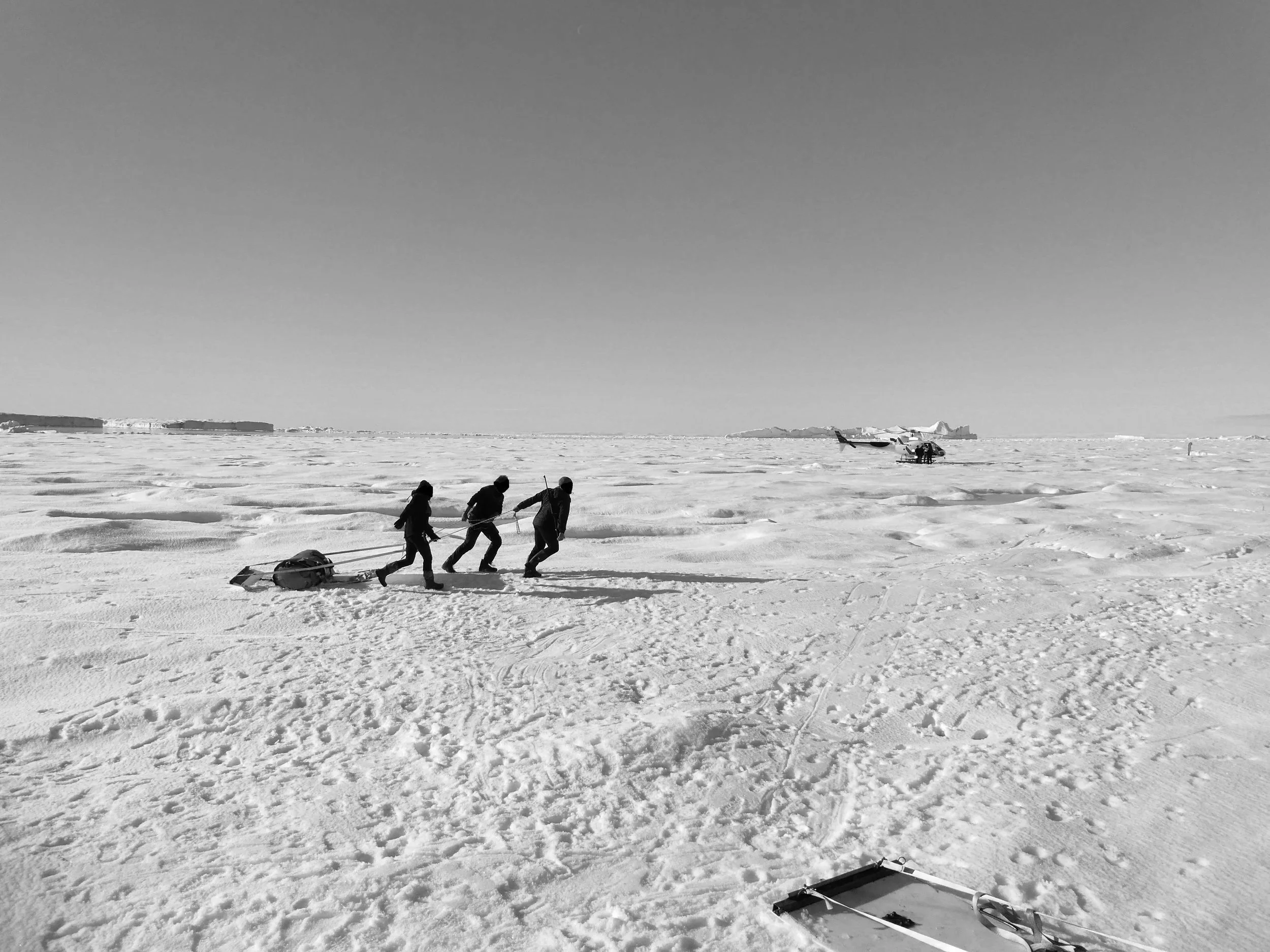
SIX will replace the legacy ice‑runway model using Soviet-era aircraft with a modern helicopter‑only architecture, executing direct operations from Svalbard to the North Pole. SIX’s approach eliminates the requirement for runways, heavy machinery and fixed camps. The SIX approach also reduces the environmental impact while significantly increasing operational agility and freedom of manoeuvre.
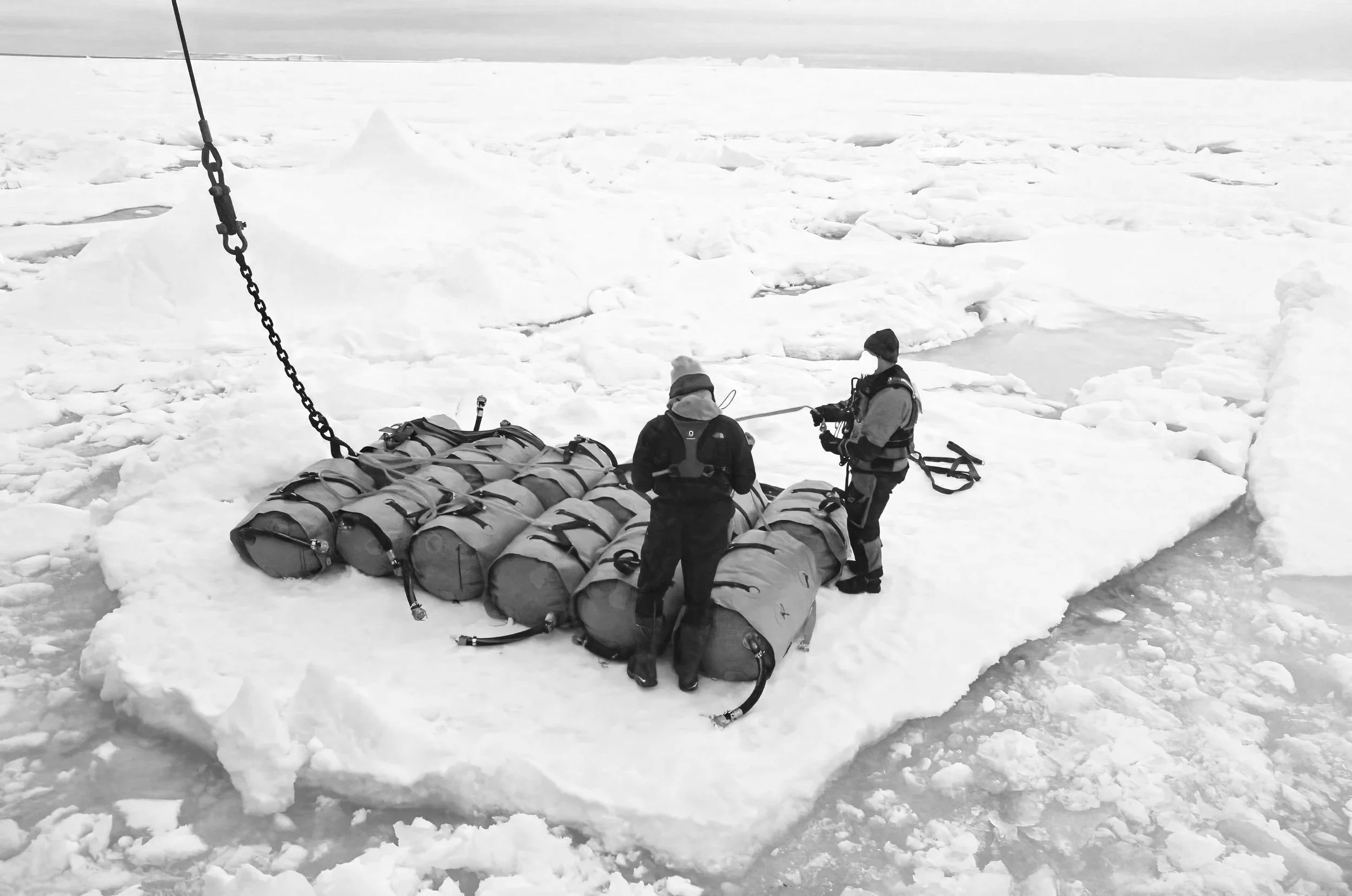
As the ~700‑nautical‑mile, six‑plus‑hour transit exceeds helicopter fuel range, SIX will establish a network of mobile fuel caches along the route. These caches will be inserted, repositioned, and sustained through parachute operations, enabling rapid adaptation to ice drift, weather shifts, and emerging situations. This distributed sustainment model preserves safety margins and ensures continuous operational reach.
While the use of modern, safety-oriented helicopter operations carry a higher cost, they deliver a level of responsiveness, manoeuvrability, and mission certainty unmatched by any previous springtime North Pole access practices. The result is a streamlined framework built for tempo, adaptability, and mission assurance.
Complex environments demand simplicity and robustness. Everything else fails, every time.